About     FAQ     Contact      Advertise With Us      Press   

The International Green Industry Hall of Fame Includes Wineries

Recently, the International Green Industry Hall of Fame accepted several nominees. They include: California Sustainable Winegrowing Alliance, Rodale Institute, Make It Right Foundation, Patagonia, Pomar Junction Winery, Ellen Strickland, Amory Lovins, David Gottfried, Voltaic Systems (innovation award), Dynglobal, Honda Motor Company, Steve Ashkin, Bren School, and Meryl Streep.

According to the Green International Hall of Fame website, the purpose of the organization is to “Promote Ecological Sustainability Excellence Worldwide.”

The site goes on to explain that the mission of the International Green Industry Hall of Fame, “is to recognize individuals and organizations for excellence and outstanding achievements in the green industry.”

Since the beginning, several wineries have been selected as members of the Green International Hall of Fame. These include: Frey Vineyards and LangeTwins and Family Winery and Vineyards. More recently, Pomar Junction Winery was added to the Hall of Fame.

Frey Vineyards is located in Mendocino County, California. We visited this inspiring winery, which produces organic and biodynamic wines.

The Green International Hall of Fame nominations are open for any industry. If you have a favorite winery or business that you think is “green,” consider nominating it for the Hall of Fame. The nomination form is online and easy to complete.

Nominations are already currently being accepted for next year’s awards.

Cheers,
Kathy

From Wine to Rum to Wine

Grand Turk

Grand Turk

Our first cruise has been eventful. We were fortunate to bring a couple bottles of wine on the cruise leaving Baltimore, Maryland heading to Grand Turk and the Bahamas. Our cruise started with a rosé champagne and will end with a cava. In between I purchased a wine package that included a choice of five wines. We paired those wines with our dinners. Yesterday was a change from wine.
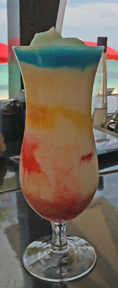
a Guanahani , quite a display of color

a Guanahani , quite a display of color

We docked in Grand Turk and soon embarked, headed to a taxi that would take us to the Bohio Dive Resort where we would spend a few hours on the beach and have lunch. The beach was very nice with few people. The water changed colors from turquoise to dark blue. It was a perfect day for resting and enjoying the view; however, that is hard work that makes one thirsty. Since local wines do not exist, I decided to quench my thirst with a rum-based cocktail. I ordered a Guanahani which was a mix, layered, of barracuda silver, coconut rum, coconut cream, vanilla ice cream, pineapple juice, blue curaçao and a grenadine floater. It was colorful to look at and delicious. For lunch we had a seafood platter and I had another rum-based cocktail.

Prior to dinner, I had a coconut rum and coke. Needless to say, I chose water for dinner and did not have wine. Most of my meals were fish and seafood. Today we are going to the ship’s steakhouse and once again my thoughts will turn to wine. Other than a nice Pinot Noir a few days ago, all the wines we had were white. Today I’ll look for a red.
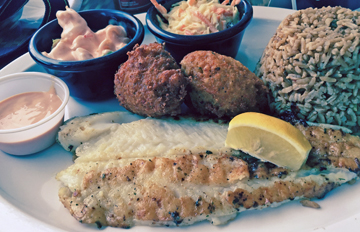
Lunch at Bohio Dive Resort

Lunch at Bohio Dive Resort

Cheers,
Terry
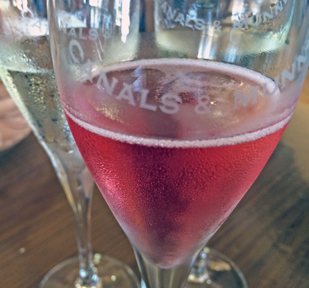
Does Franciacorta Sparkling Wine Rival Champagne?

The Franciacorta area of Italy is said to be home to some sparkling wines that some say may rival champagnes from France. (Note to self: try to locate a couple of Franciacorta sparkling wines to taste.)

How has a relatively unknown region created such excellent sparkling wines? According to the Franciacorta website:

  • Franciacota has been producing sparkling wines since the 16th century.
  • In the late 1950s, the potential for the area to  produce base wines suitable for sparkling wine was recognized.
  • In 1967, official recognition was given to the name Franciacorta.

Changes have continued to affect the production of Franciacorta winemaking:

  • 1990: Creation of the Voluntary Consortium
  • 1993: New regulations stipulate mandatory natural secondary fermentation in the bottle
  • 1995: Consortium approves production regulations for Franciacorta DOCG
  • 1997: First bottles of Franciacorta with DOCG band sold
  • 2010: New restrictive directions increase the rigor of production to reach the highest quality and confirm the Franciacorta method. The directions are the strictest in the world for this type of wine.

Franciacorta sparkling wines have been chosen as the Official Sparkling Wine for the 2015 Milan Expo.

If you have the opportunity, try a sparkling wine from Franciacorta!

Cheers!
Kathy

Cava Mentioned in Champagne Course

cava

cava

I am currently taking the Champagne Master Level Course by the French Wine Society. One of the classes was devoted to sparkling wines made throughout the world. Several slides were presented about cava. Our instructor could not refrain from an occasional criticism about cava. Her first run at negativity was downgrading the grapes Macabeo, Xarel-lo and Parellada used in cava production as “not classic in any terms and have no real pedigree in sparkling winemaking.” My thought is who in the world dictates that sparkling wine should only be made from Chardonnay, Pinto Noir and Pinot Meunier? Although these three varieties reign supreme in Champagne, they are not the main varietal grapes used to produce sparkling wines universally. Cava is an example of that. So is Italy’s Prosecco made from the Glera grape. Our instructor continued to say that the main cava grape varieties give cava its characteristic style but these grapes are limited and will not create an elegant traditional method sparkling wine. Once again, who has the right to say that sparkling wines have to be elegant and producers can only achieve elegance if they use Chardonnay, Pinot Noir and Pinot Meunier?

Looking at some statistics, Spain is doing something right. Spain, with its cava, is the third largest producer of sparkling wine in the world trailing France and Italy. Italy’s second place lead is dominated by Prosecco, a sparkling wine made by the charmat method. Cava sales have exploded on the international market in recent years. Throughout Spain, there are around 244 cava producers that utilize grapes from 33,325 hectares of land. This is similar to the size of land in Champagne for grape growing. Most vineyards in Spain used for cava production are not as densely planted as vineyards in Champagne.

My thoughts about this class was there was a clear negativity towards cava, perhaps because it is competition for champagne sales. This negativity was not apparent in discussions of Italy’s Franciacorta and Prosecco. Very little of the class was devoted to sparkling wine production in the new world wine regions. Champagne creates a unique product unlike that crafted in the rest of the world. However, other sparkling wines throughout the world should also be experienced. To some consumers, cavas are a better value and pair wonderfully with tapas.

Kathy and I are going to visit the Penedés region of Catalonia and cava producers. Next year’s International Wine Tourism Conference takes place in Barcelona and cava will certainly have its place at the conference. I hope that if there are any cava producers, that exhibit at next year’s conference, they will serve some cava tastings. That would certainly trump the several champagne houses that exhibited at this years conference in Reims. They were all dry, no champagnes for tasting.

Cheers,
Terry

Going into Teacher Mode

In late 2006, I retired from a 34-year career in education with my last several years as a lecturer at Towson University in Maryland. Kathy often tells me that I frequently go into teacher mode. It doesn’t take much for this to happen. While in a tasting room if I am swirling the wine in my glass and the person next to me asks why I am doing that, I automatically go into teacher mode.  When I present, I automatically go into teacher mode. An opportunity arose to go into teacher mode at the April 2015 International Wine Tourism Conference in Reims, France.

Terry pouring and talking about Georgian wines at IWINETC 15 in Reims, France.

Terry pouring and talking about Georgian wines at IWINETC 15 in Reims, France.

The exhibition area had several wine producers. Unlike the champagne houses that had dry tables (no champagnes for tasting) the country Georgia was pouring wines. Georgia hosted the International Wine Tourism Conference in Tbilisi in 2014. In between sessions, I was ambling in the exhibition area, that was crowded, and noticed no one was behind the Georgian table. Without thinking, I went into teacher mode and went behind the table. Within seconds I had a crowd tasting the Georgian wines and I offered a gentle wine education about the wines and grapes. When Tamta, from the Georgian National Wine Agency, returned and observed me pouring wines and teaching, she stopped, smiled and started taking photographs.

Kathy and I visited Georgia in the autumn of 2013. We were so amazed with the wine regions that we spent the next several months writing our third book Georgia, Sakartvelo: the Birthplace of Wine. I am fairly well versed in talking about Georgian wines, especially qvevri white wines. The western world needs a bit of education before trying a qvevri white wine. They are quite different and unless prepared, most wine enthusiasts will find them a shock to their preconceived notion of what a white wine should be. When I was pouring wines for the Georgian winery Badagoni at the 2015 Boston Wine Expo, I discovered that a bit of education was helpful for those tasting qvevri wines. Of course my dialogue includes the mention that qvevri winemaking is the only winemaking technique that is on the UNESCO list of Intangible Cultural Heritage. With a little bit of understanding, people tend to accept the qvevri white wines. Some end up really liking them while other make a note to shy away from them.

I enjoy providing a gentle wine education to people. There are many roads that lead to wine knowledge. One avenue that is the most fun is wine tourism. Georgia should be on the wine enthusiasts’ bucket list as one of the unique wine areas of the world.

Cheers,
Terry

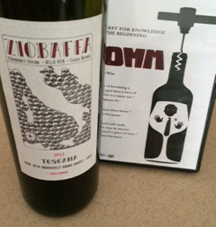
SOMM, not my Preference for Learning

SOMM

SOMM

I recently watched the documentary SOMM by Jason Wise. The film looks at candidates for the Court of Master Sommeliers and what they have to go through to pass the three-day exam.Within ten minutes, you get the idea, memorization. Granted there is a lot of wine knowledge that the candidates have to memorize via thousands of index cards scattered around their homes. They also have to taste wines and critique, often in a study group. This tasting critique can last for hours a day and consume many days. SOMM quickly rose to my list of least like wine movies.

One could argue that I did not enjoy the movie because it was a documentary. However, the previous wine documentary I viewed was A Year in Champagne and it was great. The negative on the movie SOMM, for me, was the emphasis on rote memorization. Memorization is only one road to wine knowledge and a road that should only be traveled by a few. Other avenues to wine knowledge are much more entertaining than memorizing thousands of informational bits. Wine travel is a wonderful way to learn about wine and experience the interdisciplinary aspect of wine. If one really wants to know about wine, start making it. Take your winemaking experience to new levels by making wine at different wineries. You can also take formal winemaking classes through community colleges and universities.

Many scenes in SOMM showed a study group of candidates tasting wine. They tasted and had about three minutes to utter adjectives that the wine reminded them of in terms of appearance, aroma, taste, structure and where in the world the wine was from. It appeared as though they could recite 50 adjectives in three minutes. For the majority of wine enthusiasts, the only phrase they need after sampling a wine is “I like it,” or “I don’t like it.” Wine does not have to be complicated nor explained with a plethora of multi-syllabic words. Attendees at a wine bloggers conference, years ago, were challenged to creatively describe wines. I took this challenge and began writing haikus describing a wine. A haiku limits you to 17 syllables, and that amounts to very few words.

I did admire the amount of learning that the candidates for the Court of Master Sommeliers have to acquire. However this way of learning is not for me. I have disliked rote memorization since elementary school social studies classes where it was used extensively. Another observation from the film, that bothered me, was that the candidates seemed to put their spouses or friends on hold for a year of intensive study. Wine is a journey, and journeys are more fun when you can take it hand-in-hand with a beloved. If you are interested in learning more about wine, start by making a weekend date and visit some wineries. There are so many wineries in the world that do a great job with wine tourism, that most couples could spend the rest of their lives discovering the world.

Cheers,
Terry

Mother’s Day Idea & Support Breast Cancer Research

Carr Vineyards and Winery, a small boutique winery, is located in Santa Barbara. The winery just released Marie’s Pinot 2013. All proceeds for this wine will go to help breast cancer research. Perhaps this is the wine to purchase for Mother’s Day!

Carr Vineyards & Winery is releasing the 2013 Marie’s Pinot. Only 50 cases of this wine was produced. The wine is available online and the price is $70. Remember the proceeds will go to research for breast cancer.

The interest to create and release this the 2013 Pinot was Budd Carr’s idea. Budd’s mother past away due to breast cancer when he was a young boy. Budd has been on the Executive Committee of the City of Hope’s Music, Film and Entertainment Industry for many years.

Ryan Carr, Budd’s son, is the owner and winemaker at Carr Winery. He has been producing wines with grapes from his two Sta. Rita  Hills vineyards. The grapes for the special Marie’s Pinot are selected by hand.

Carr Vineyards & Winery is a boutique winery producing 4,500 cases In addition to producing Pinot Noir , they also make Pinot Gris, Sangiovese, Grenache, Cabernet Franc and Syrah.

Concerned about someone you love and breast cancer, contact Carr Vineyards & Winery about the new 2013 Marie’s Pinot.

Cheers!
Kathy

Lobster Bisque Recipe with Chardonnay from J Vineyards

Check out this recipe from J Vineyards & Winery located in Healdsburg, California.

Lobster Bisque

Ingredients:

3 oz Clarified Butter
1 lb Mirepoix, small dice
2 lb Lobster Shells, excluding the claws
2 oz Tomato Paste
4 oz Brandy
1 bottle J Chardonnay
4 qts Water Sachet
2 Bay Leaves
2 Tbl Whole Peppercorns
1 bunch Parsley Stems

To Finish
2 cups Cream
½ cup Brandy
Juice Of 2 Lemons
2 Tbl Salt
2½ pints Butter, cold and cubed
Salt and White Pepper to taste

Directions

Caramelize the mirepoix and lobster shells in the butter. Add the tomato paste and sauté lightly. Add the brandy and flambé. Add the J Chardonnay. Deglaze and reduce the liquid by half. Add the water and sachet and simmer for 1–1½ hours, skimming occasionally. Strain, discarding the sachet and reserving the liquid and solids. Purée the solids and return them to the liquid.

Return to a simmer and cook 10 minutes. Strain the bisque through a fine chinois lined with cheesecloth. Return the bisque to a simmer. Add the cream, brandy, lemon juice, and salt and bring to a boil. Whisk in butter. Adjust the seasoning to taste.

Enjoy!

Kathy

Tequila Cocktails for Cinco de Mayo

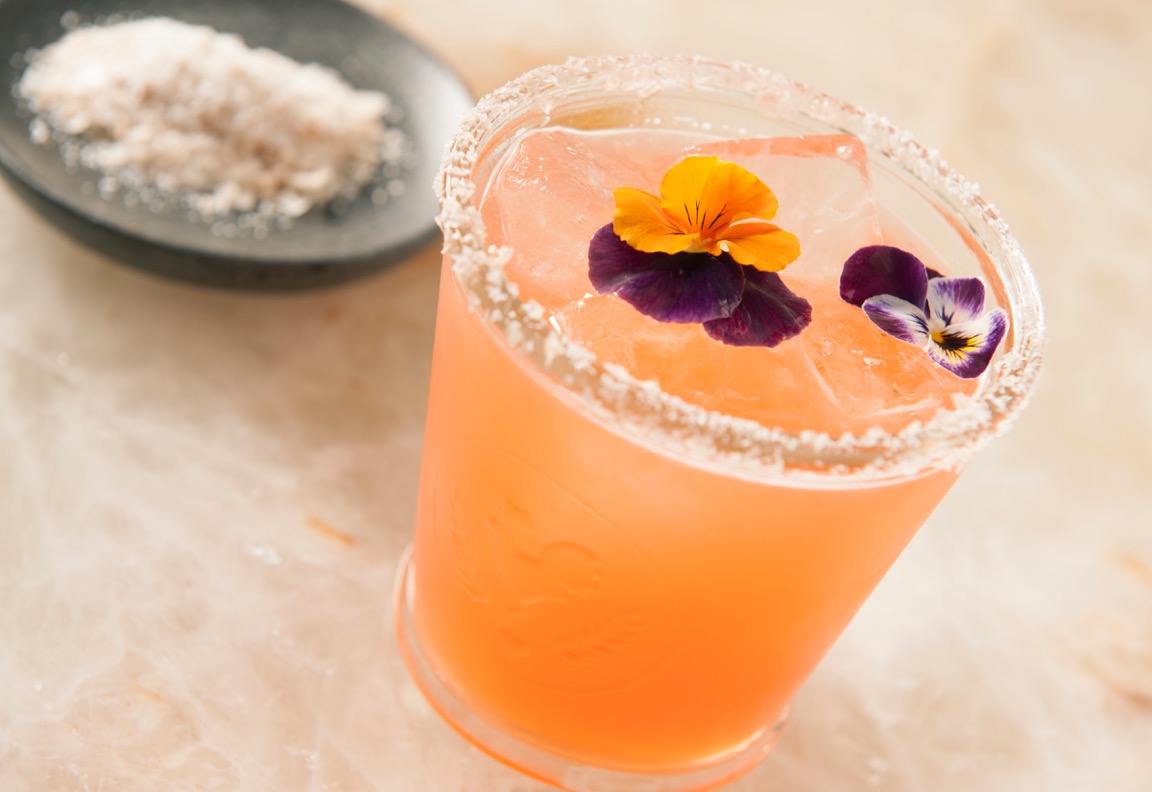
Amante Picante

Amante Picante Margarita

Each year Cinco de Mayo is celebrated on May 5. This year the day falls on Tuesday so some people are celebrating this weekend. If you are looking for a cocktail made with tequila for Cinco de Mayo continue reading!

Below are three cocktails mixed with DELEÓN® Tequila. This tequila is made from 100% Highland agave and is not aged. The mixologists of these cocktails are from Los Angeles, New York City and Miami. According to the information I received, the cocktails were created with farm fresh, local ingredients of their respective cities.

Amante Picante Margarita
crafted by Mixologist Juan Martinez

2 oz. DeLeón Platinum Tequila
.75 oz. agave
1 oz. lime juice
Serrano pepper
Cilantro

Muddle two pieces of serrano pepper and clap 5 pieces of cilantro in a tin. Rim a highball with Tajin/Ghost pepper salt, shake all ingredients together and strain into a the highball glass. Garnish with a serrano pepper and sprig of cilantro.

The Amante Picante Margarita cocktail was crafted by Juan Martinez, Toca Madera. Juan used local serrano pepper and cilantro for this creation.

DaHouse Margarita
crafted by Mixologist Juan Martinez

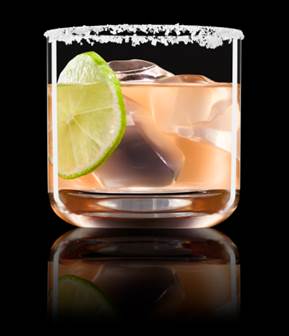
DaHouse Margarita

DaHouse Margarita

2 oz. DeLeón Platinum Tequila
.75 oz. Homestead lime
.75 oz. pineapple sage infused agave syrup

Shake and serve over ice. Garnish with Half Moon Spicy salt rim, a spray of Mezcal, fresh pineapple, sage and a lime wheel.

DaHouse Margarita, 27 Restaurant & Bar, Broken Shaker, mixes this margarita and adds sprig of Mexcal.

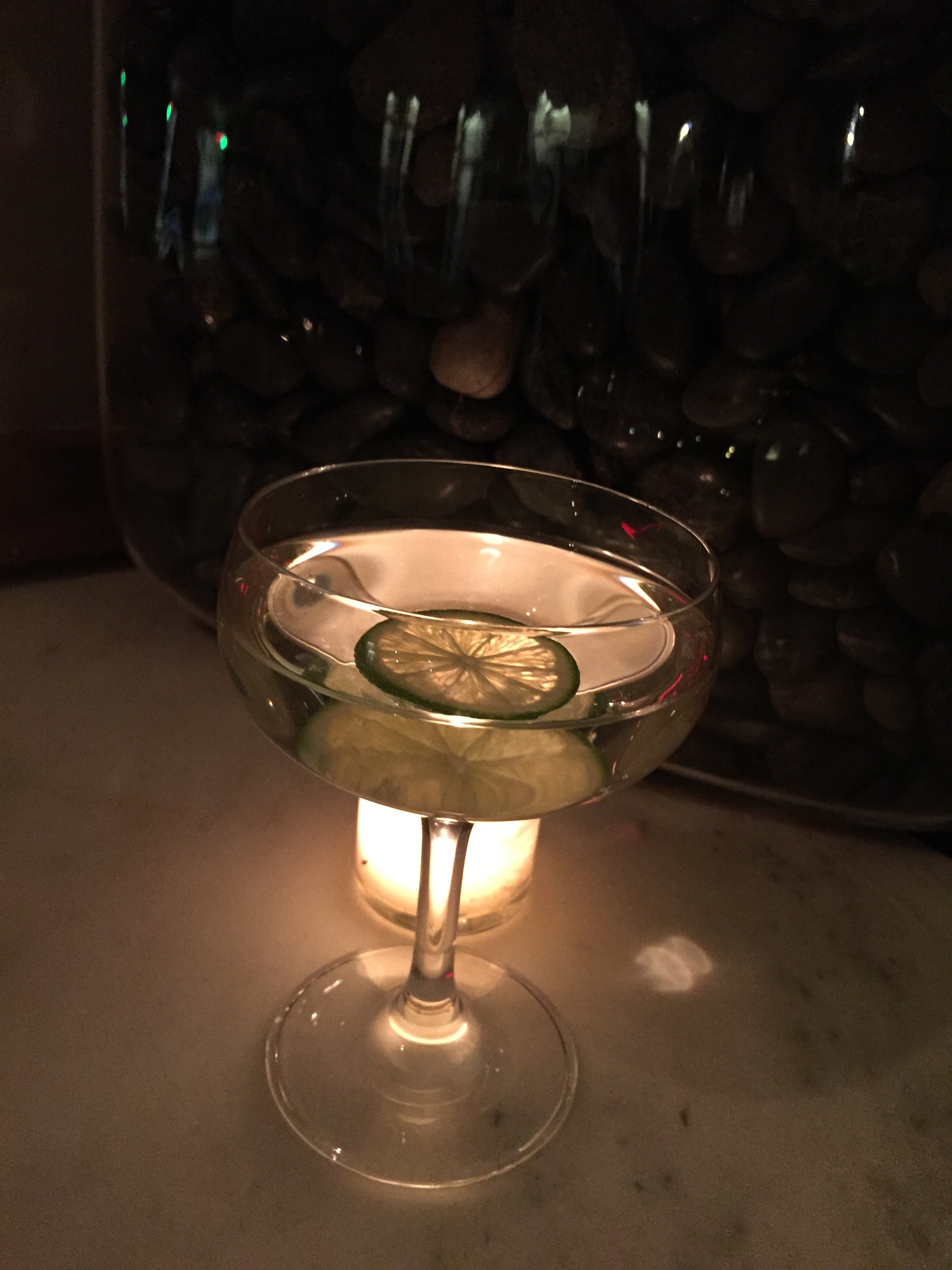
Las Flores de Mayo

Las Flores de Mayo

Las Flores de Mayo
created by Mixologist Brian Matthys

2 oz. DeLeón Platinum Tequila
1 oz. Verjus
¼ oz. Velvet Falernum
2 dashes cacao bitters

Add all ingredients in a mixing glass and stir well over ice. Strain into a chilled couple and garnish with a thin lime wheel.

In New York City mixologist Brian Matthys at The Cander, Corkbuzz, creates Las Flores de Mayo. Cocktail description: “This cocktail is refreshing yet spirit forward, keeping the agave aromas and flavors from the tequila in the forefront. The verjus (unfermented grape juice) brings refreshing acidity along with a little fruit and sweetness while the Velvet Falernum adds spice and citrus, and the cacao bitters tie everything together.”

Cheers!
Kathy

Planning to Travel to Michigan’s Old Mission and Leelanau Peninsulas This Summer?

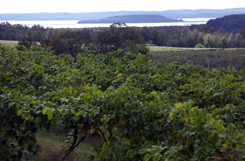
Views from Chateau Chantal on Old Mission Peninsula

Views from Chateau Chantal on Old Mission Peninsula

Leelanau Peninsula wineries are offering a Spring Sip & Savor wine trail event taking place May 2 and May 3.

Michigan’s Leelanau Peninsula and Old Mission Peninsula wineries offer some great views and delicious wines. The Leelanau Spring Sip & Savor event is a delightful way to explore the peninsula, home to many wineries.

A $35 ticket includes wine and food pairings at each of the more than 20 participating wineries. Five dollars from each ticket goes to the Bruce Simpson Winemakers Scholarship.

Tickets are available online at MyNorth.com.

Wine enthusiasts who visit Old Leelanau and Old Mission Peninsulas will undoubtedly discover wines to enjoy but they will also discover stunning landscapes.

Below is a list of reasons to visit this area of Michigan this year. Before visiting this region, be sure to check out our articles with photos on Wine Trail Traveler.

 Leelanau Peninsula

      • More than 20 wineries
      • Wineries are located at the 45th parallel
      • Producing cool climate wines
      • Leelanau Peninsula offers three trail loops: Sleeping Bear Loop, Northern Loop and Grand Traverse Bay Loop
      • Events on the Leelanau Peninsula Wine Trail include:

– Spring Sip & Savor (May 2 and May 3)

– Traverse City Wine & Art Festival (June 20)

– Small Plates (August 13)

– Harvest Stampede (September 12 & 13)

Old Mission Peninsula

  • Eight wineries
  • Wine varieties available include: Chardonnay, Riesling, Pinot Grigio, Pinot Noir, Merlot, Gewürztraminer and Cabernet Franc
  • Old Mission Peninsula lies on the 45th parallel
  • The Wineries of Old Mission Peninsula events include

-Blossom Day (May 16)

-Divas Uncorked (June 12)

In addition to these two wonderful areas, Sleeping Bear Dunes National Lakeshore is not far away from Traverse City.

A visit to this region of Michigan is a great spot for vacationers and wine enthusiasts.

Cheers!
Kathy


info@winetrailtraveler.com            Sitemap                      Privacy Policy

Copyright: Terry and Kathy Sullivan 2006-2013