About     FAQ     Contact      Advertise With Us      Press   

Book Signing Event and Presentation about Georgia, Sakartvelo: the Birthplace of Wine

Join Terry and Kathy Sullivan for a book signing and presentation about Georgia, Sakartvelo: the Birthplace for Wine at Catoctin Breeze Vineyard on Friday, October 4th. We will sign copies of A Wine Journey in the winery tasting room at 15010 Roddy Road Thurmont, Maryland between 3:00 pm and 7:00 pm. We will also sign copies of our just published book: A Wine Tourist’s Guide: Visiting Tasting Rooms. In addition to the book signings, we will make a presentation about our recent trip to the country Georgia.

Georgia Sakartvelo, the Birthplace of Wine

Where and when were the first wine grapes cultivated and wine made? It is easy to think of Western Europe. The Ancient Greeks and Romans took grapevines and winemaking practices wherever they colonized. However, archeological evidence places the cultivation of wine grapes and winemaking in a region south of the Caucasus Mountains. What is now the country of Georgia is considered the birthplace for wine. Some 8,000 years ago, grapes were cultivated and wines were made, predating the Greeks and Romans by thousands of years.

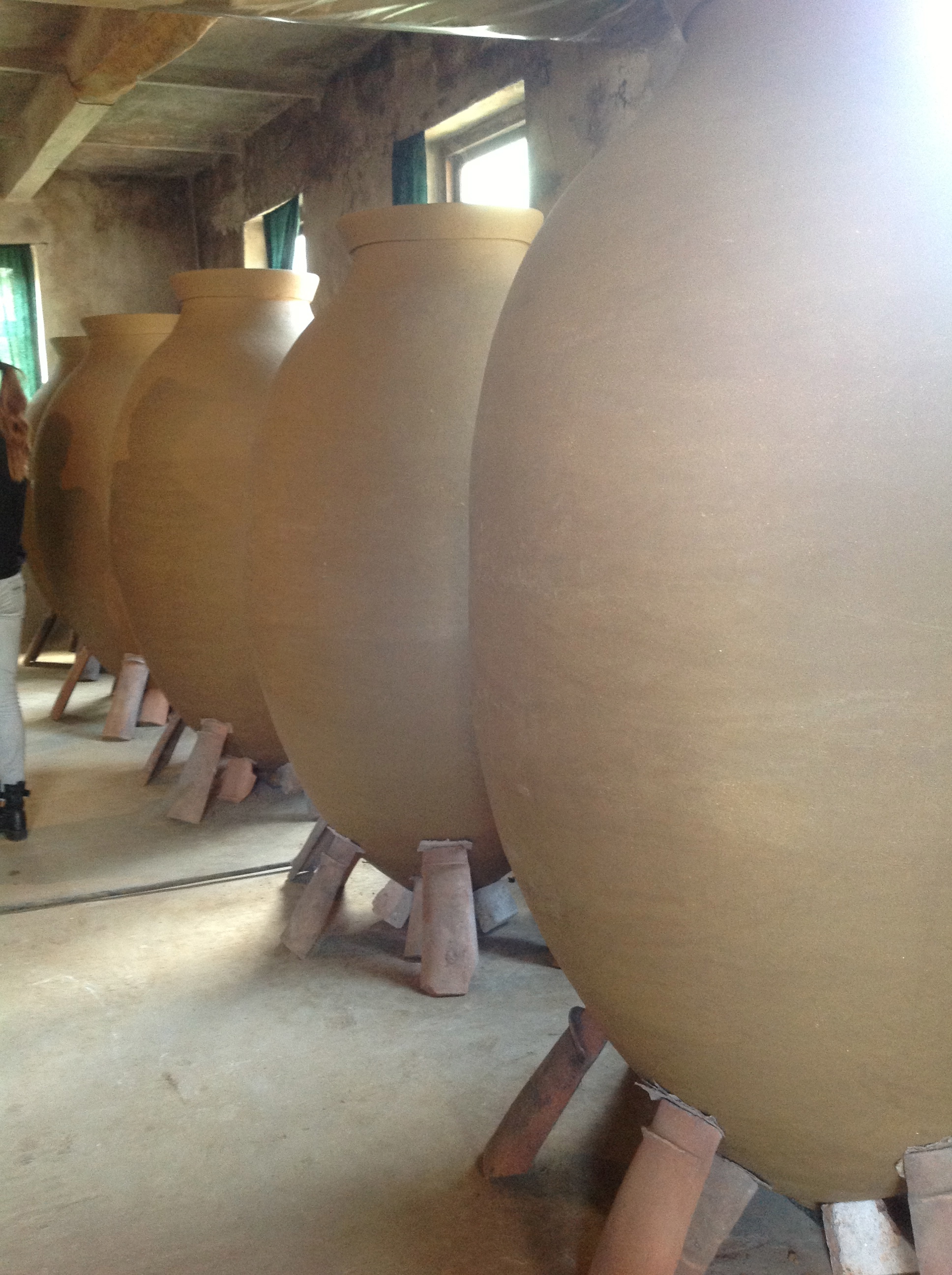
Winemaking technology used 8,000 years ago has been kept alive through the millennia. Qvevri were made out of clay and buried in the ground. Wine was fermented and aged in these qvevri, a practice that has continued today.

Terry and Kathy will share their visit to this amazing wine region. Their presentation will highlight the vineyards and winemaking practices in the country Georgia also called Sakartvelo. Discover the making of qvevri and qvevri wine. Also learn of the rich diversity of wine grapes in Georgia. The country has over 500 different wine grape varieties, more than anywhere else on the planet. They will repeat the presentation during the time 3:00 – 7:00 pm on Friday, October 4th at Catoctin Breeze Vineyard.

Cheers,
Terry

Vineyards in Kakheti with the Caucasus Mountains in the background


New Zealand’s Marlborough Wine Show Adds a New Award

New Zealand

Thriving as a commercial winery means a lot of hard work and the ability to make good decisions based on the grapes harvested each year. Every year the weather is different and vineyard managing may change. The brix level of the grape harvest may differ. So a winemaker must work with all of these challenges and continue to make quality wines that consumers will want to buy time and again. How many great vintages can you make over ten years?

In New Zealand, the  Marlborough Wine Show will attempt to discover the best producer over a ten year period by issuing a new award category in 2013. The Marlborough Museum Legacy Award will emphasize and reward the ability of a winemaker/producer to make three quality vintages in ten years. Among the details for the wine entry: three vintages of one wine within a ten year period and a minimum gap of two years between each wine.

According to the Marlborough Wine Show website, “The Marlborough Museum Legacy Award  is for three outstanding vintages. This will be awarded to the wine producer with the highest scores for three vintages within a ten year period. This can be for any wine style.”

The Marlborough region of New Zealand has numerous wineries both large and boutique-size. We visited and wrote articles about several of these wineries in 2010 and look forward to discovering the winner of this award.

Cheers!

Kathy

This Weekend: Mountain Heritage Arts & Crafts Festival

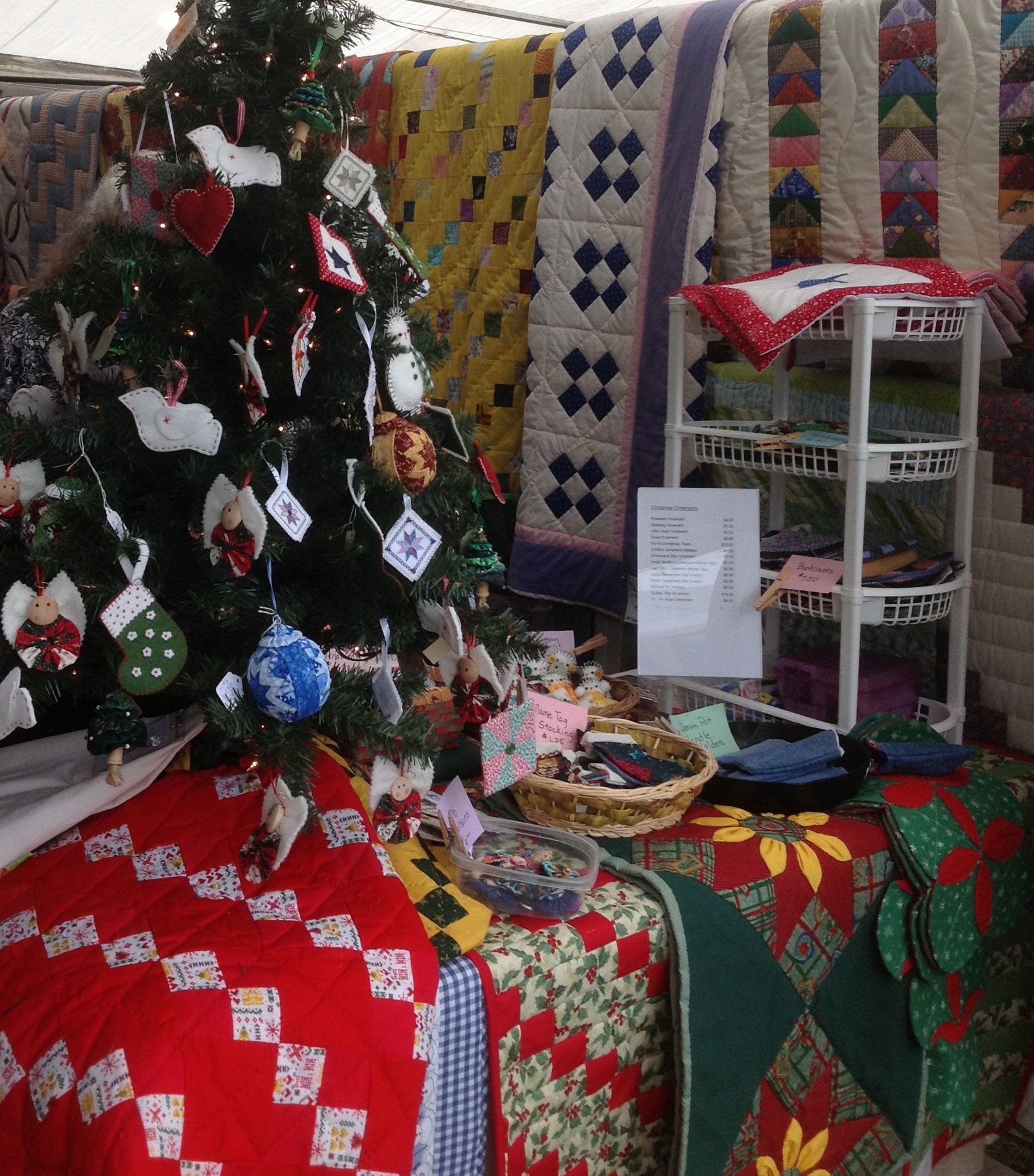
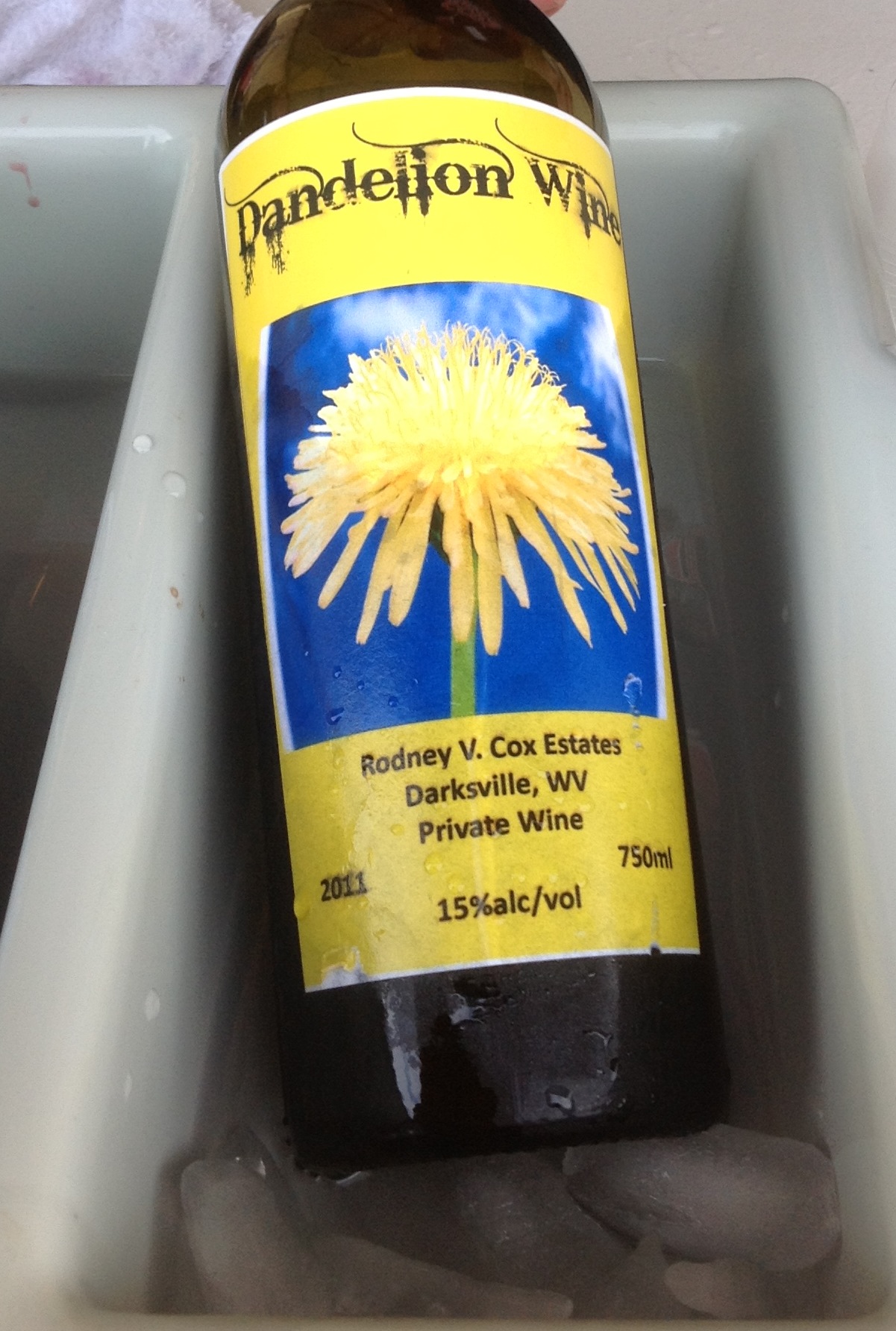
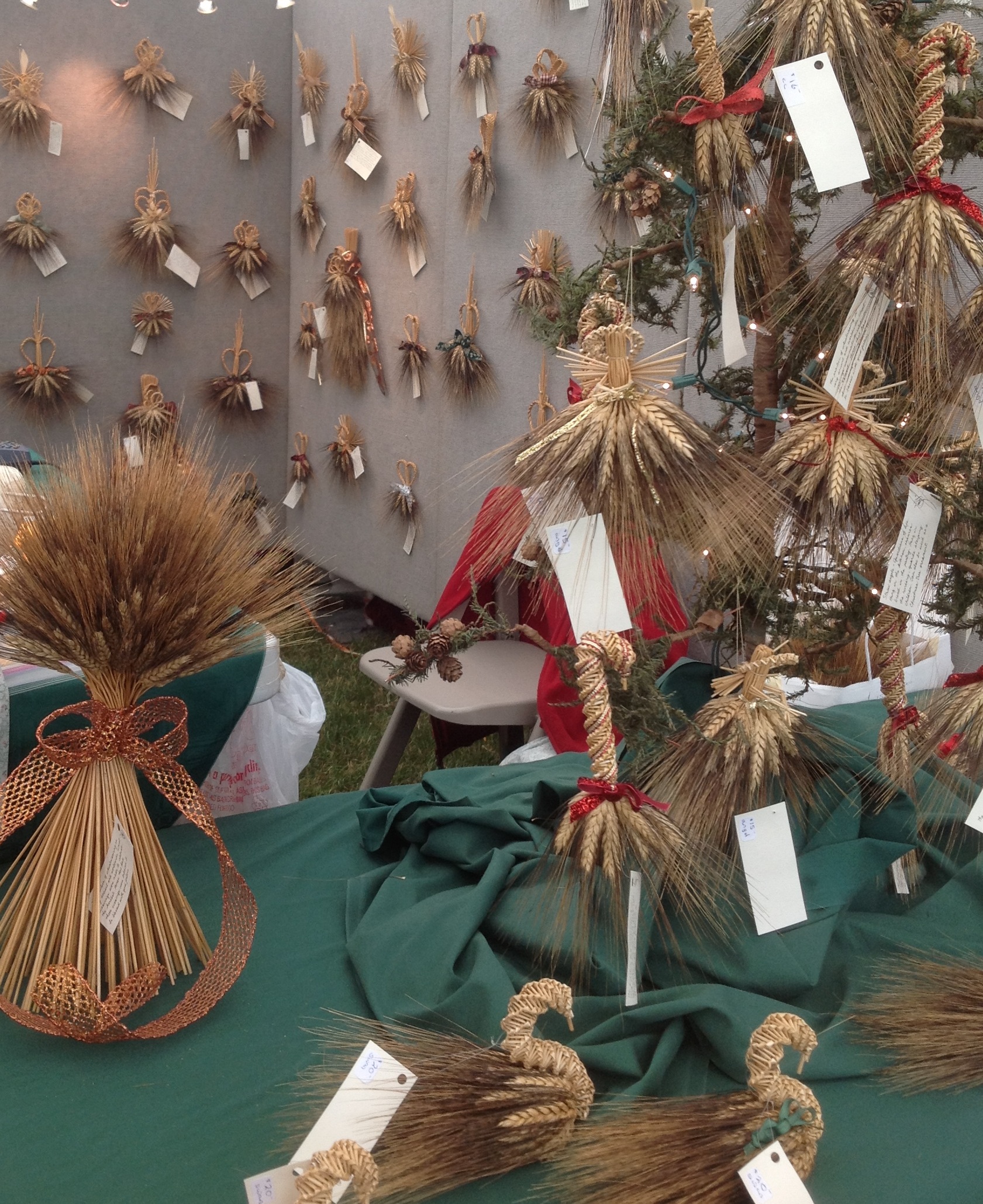
The 2013 Mountain Heritage Arts & Crafts Festival this weekend, September 28 and 29, includes several West Virginia wineries. The festival also has many fine arts, crafts, music and food vendors as well as activities for children. The festival began today Friday and we decided to check the festival out. We found a wonderful assortment of unique crafts and fine arts perfect for gift giving.

We discovered that one winery, Watts Roost Vineyard, also has skeins of wool and pelts from their Cotswold sheep available at the festival. Cotswold sheep are a rare breed so those interested in knitting or crocheting will want to check it out.

Below are a few photos from today’s visit. If you are looking for something unique to do this weekend discover the festival near Harpers Ferry, West Virginia.  A coupon is available online for $1 off the $7 ticket price. If you can’t make it this weekend, put it on your calendar for next year. (September 26, 27, and 28, 2014.)

Have a great weekend!

Cheers, Kathy

Watts Roost Vineyard's Cotswold Wool

Christmas Crafts

Dandelion Wine

Ornate Wheat Weaving

Linganore Winecellars Supports Local Non-Profits

Linganore Winecellars, Maryland

Many wineries support their local communities. Since wineries have limited funds, they frequently help organizations located in their region. An example is Linganore Winecellars, one of the oldest wineries in Maryland.

Recently, Linganore Winecellars in Mt. Airy, was recognized by Frederick County Commissioners for its community support. Linganore Winecellars had events at their winery that benefited the Red Cross of Frederick County, MS Society of Maryland and United Way of Frederick County. In addition, the winery donated funds to each of these organizations.

Other local non-profit organizations that have received help from Linganore include: Kimmel Comprehensive Cancer Center at Johns Hopkins, Share Our Strength, Humane Society, North Chesapeake Sheltie Rescue and the Patty Pollatos Fund.

Types of help for non-profits include donations of wine tastings, tickets to festivals and the use of their property for special events.

We have visited Linganore Winecellars several times. An article about the winery is available online.

Enjoy!

Kathy

Returning Home from Visiting Georgia (Sakartvelo)

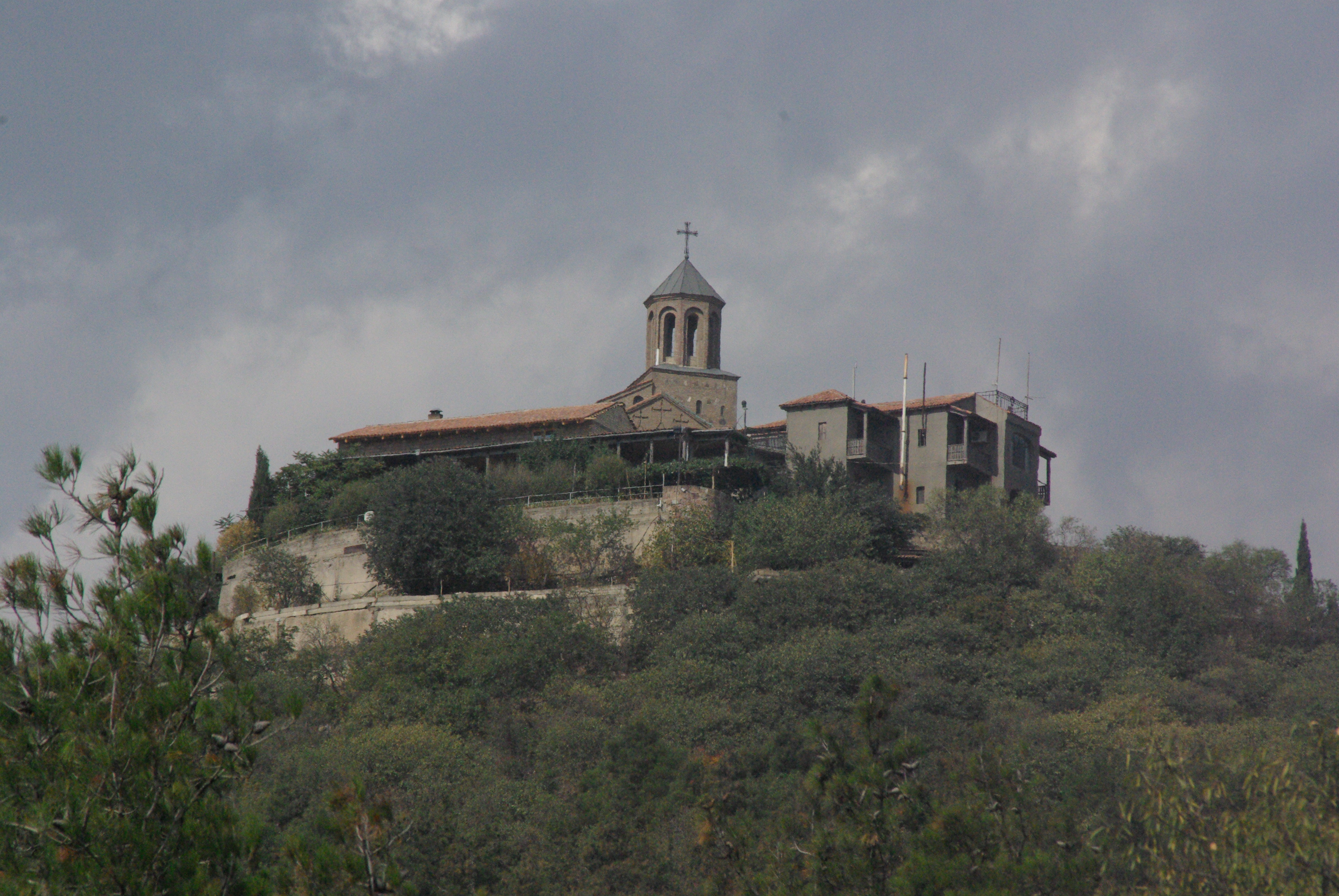
Tbilisi, Georgia (Sakartvelo)

After three flights from Tbilisi, Georgia to Rome, Italy and then to New York City, we arrived home. Leaving our hotel at 2:30 am, we arrived home at 9:30 pm. Our visit to Georgia (Sakartvelo) has been very successful due to Georgia’s National Wine Agency and to the many wineries we visited. We tried to observe and take in everything in two weeks time including the culture, history, foods, qvevri winemaking, and traditional winemaking techniques.

The National Wine Agency calls Georgia the “Cradle of Wine.” We saw and heard about numerous artifacts that have dated back 8,000 years. That’s a long, long time! The only way I could contemplate that was when I saw artifacts from before the time of Jesus and realized that some of these artifacts were in existence while he was living. How awesome is that? It was also interesting to note that from our observations, the people of Georgia are not afraid of Christianity. Religion is an important part of their lives. At Supras, a very special Georgian dinner, many toasts are made by the Tamada with the first toast always being to God. We met Georgians who gave verbal thanks to God for what they had.

Georgia’s qvevri wines vary according to the grapes used, the vintage and the winemakers’ protocol. Some winemakers use all of the chacha (pomace) other winemakers use very little or perhaps none. Some winemakers keep the wine in qvevri for six months while others may only keep it in qvevri for several days. This is the same as winemakers who use modern stainless steel tanks and oak barrels – winemakers make their own unique style of wines. This is what makes exploring the world of wine exciting. Whether you physically travel to a country to visit wineries or go to your local wine shop or grocery store to buy your wines, you can learn more about wine, history, food and culture.

If you really want to learn about age old winemaking techniques, be sure to discover the wines of Georgia whether by travel or asking for Georgian wines at the wine shop or restaurant. Many thanks to the National Wine Agency in Georgia (Sakartvelo) for the opportunity to visit, write and learn about Georgian wines.

Cheers, Kathy and Terry

Day 13 in Georgia (Sakartvelo): Birthplace of Wine

Yesterday morning we woke up to rain in Batumi, Georgia’s Sheraton Hotel. Within view of our hotel is the Black Sea and an amazing architecture building that has a floor for each letter of the Georgian alphabet. As we traveled to our first stop the Georgian Wine House, it rained quite heavily. The river we traveled along was moving rapidly and numerous waterfalls appeared to have sprung up overnight.

In about a half hour, we reached the Georgian Wine House, a relatively new winery in Georgia, opening in 2010. The building, while built new, fits in well with the landscape and Georgia’s renowned history.

The Georgina Wine House features three grape varieties: Chkhaveri, Tsolikouri, and Rkatsiteli. Chkhaveri and Tsolikouri varieties go back many centuries.

The Georgian Wine House has numerous private events including weddings and birthday celebrations. Adjacent to the Georgian Wine House is a vineyard. They also source grapes from other growers.

Unfortunately due to the heavy rains the roads became impassable, so there were no more wineries to visit on Sunday. We had time to write and later walk along the Black Sea with umbrellas of course!

Day 12 in Georgia (Sakartvelo): Birthplace of Wine

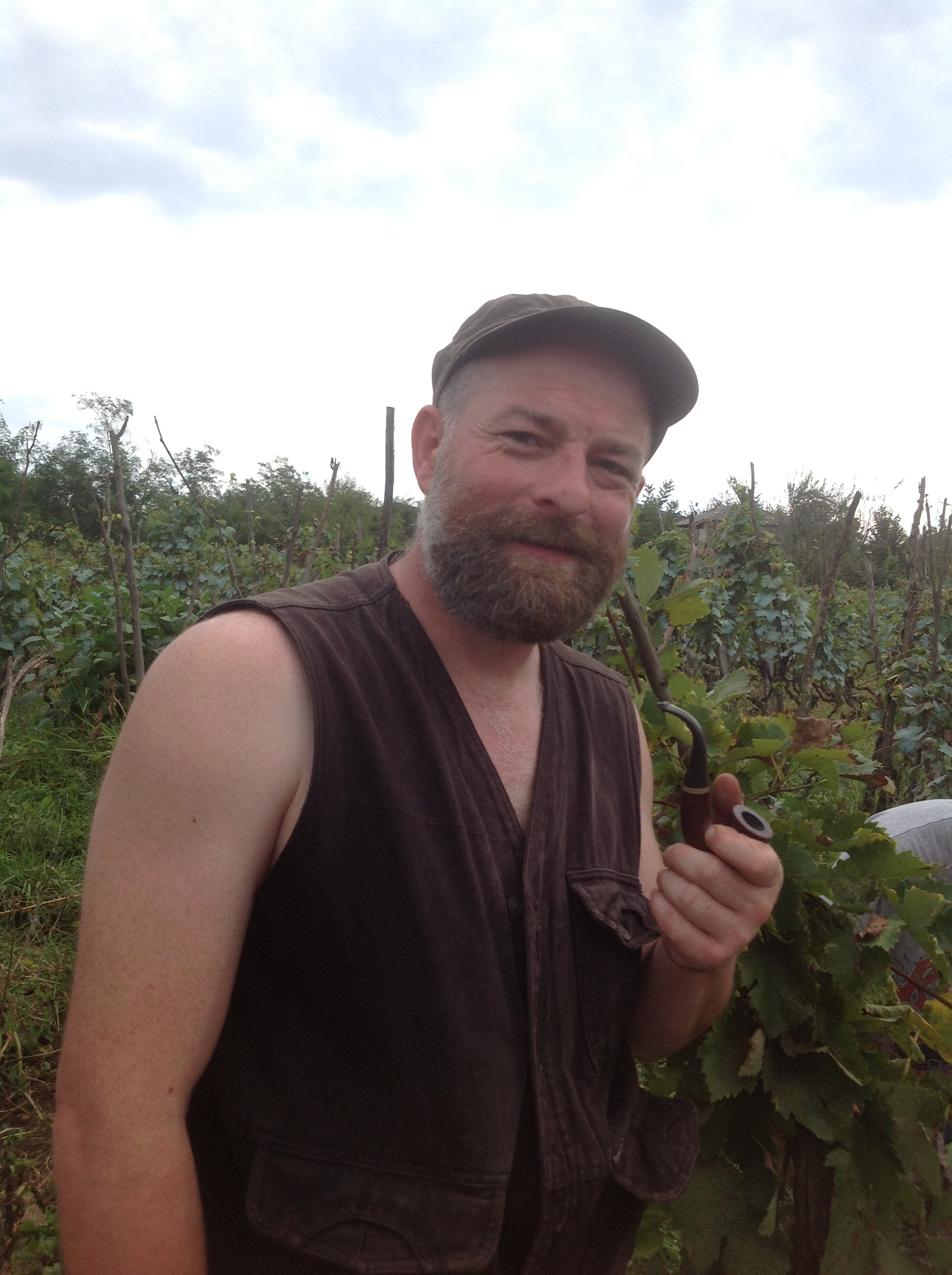
Ramaz Nikoladze at his vineyard in Georgia (Sakartvelo)

We are sad that our stay in Georgia (Sakartvelo) is coming to an end soon. On Saturday we visited two wineries and then traveled on to Batumi on the coast of the Black Sea. Despite the cloudy weather and occasional light rain we were able to see the Black Sea – a sight I never thought I would see. It’s immense. Hopefully Sunday will be clear and we’ll see more of the sea.

Today’s first winery visit was to Ramaz Nikoladze’s Wine Cellar. Ramaz and his crew, who included an American living in Georgia, were harvesting grapes so we visited the vineyard. Currently Ramaz has 0.7 hectares (1.7 acres) of grapes that include Tsitsko and Tsolikouri. These vines are between 27 and over 100 years old. He exports his wines to Japan, France, Italy and the United Kingdom.

In Ramaz’s vineyard we tasted the Tsitska 2012. This wine was fermented without skin contact and spent 10 months in qvevri.  We also tasted Tsolikouri 2012 that was a gold color. This wine had skin contact for two months and was aged for 10 months in qvevri.

Next we visited Simon Chkhedze who is producing wine from his own vineyards. His vineyard varietals consist of Tsitska, Tsolikouri, Krakhuma and Otskhanuri Sapere. We tasted his 2012 Otskhanuri Sapere and discovered that Simon’s wine has a very good future. While he is not selling his wine yet, he wants it to improve; he plans to begin bottling and selling his wine in 2014. Otskhanuri Sapere is a unique grape variety. Producers are just beginning to learn the potential of this grape.

Today we will visit two more wineries and take time to explore Batumi on the coast of the Black Sea.

Cheers!
Kathy

Traveling the Wine Roads of the Racha-Lechkhumi Region

We spent the 11th day in Georgia (Sakartvelo) visiting three wineries in the Racha-Lechkhumi region of Georgia. Two of the wineries were very small production wineries. While on the roads, we compared what we experienced in Racha-Lechkhumi to what we experienced on the roads of Kakheti. In comparison, Kakheti is flatter and Racha-Lechkhumi is mountainous. We observed many grapes transported to wineries in Kakheti. We did not observe this in Racha-Lechkhumi.

There were very few fences in Kakheti while in Racha-Lechkhumi there were many more fences. This did not deter animals from freely roaming the roads. In both wine regions expect to see cows, horses and chickens sharing the roads. We also observed pigs on the roads of Racha-Lechkhumi. In the Racha-Lechkhumi region you will have to drive up and down mountain sides. Some roads are flat and paved. The roads leading to the wineries were often adventurous.

We thought that our experience driving on gravel roads on a side of a mountain in Virginia would help us on our trek to wineries in Georgia. It didn’t. Often there was a sign pointing in the direction of a winery. Then the road turns into gravel. Then you experience potholes. Those turn into ruts and eventually into deep ditches. It is often a very bumpy ride. Our driver navigated the roads like a slalom skier down a snow covered mountainous course.

The views from the bottom of the mountains were majestic. The views from the mountain heights were also impressive. On the slops of some hillsides, we saw vineyards. Like a patchwork quilt, some of the vineyards were blue, evidence of spraying copper sulfate to protect from mildew. The site of vineyards on hillsides is august and memorable.

We encourage you to travel to Georgia and experience 8,000 years of vineyards and winemaking. Consider hiring a wine tour operator. If you design your own itinerary, you might want to hire a driver.

Cheers,
Terry

Day 11 in Georgia (Sakartvelo): Birthplace of Wine

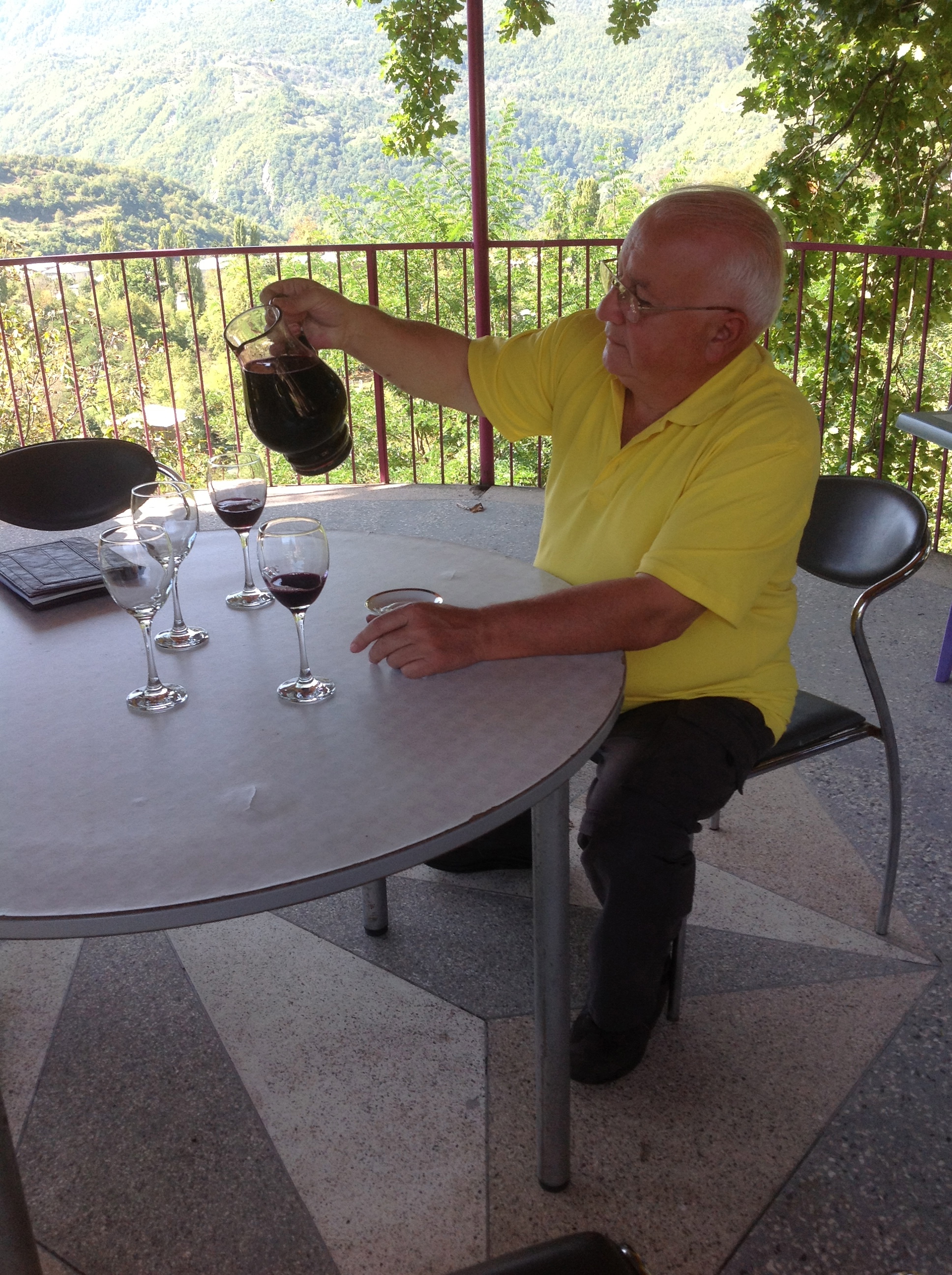
Pouring a Usakheloutri Wine

On Day 11 of our visit to Georgia (Sakartvelo) we visited three wineries in the Georgian region of Racha-Lechkhumi. To reach these wineries from the second largest city in Georgia, Kutaisi, rough roads added more drama to the sights of the beautiful river and the Caucasus Mountains. At one point we asked our driver how often he replaces his car tires. The good news is that along the way there were signs of road construction taking place.

Occasionally we would be on a mountaintop staring down into the deep crevices where we might see small family vineyards. At other times we were deep in the valleys where small villages are located. One could see vineyards clinging to the sides of the mountains.

Our first stop was at Vakhtang Aslanikoshvile, a small vineyard and winery, producing a wine made from a unique grape varietal, an ancient grape variety, Usakhelouri. Vakhtang, winemaker and vineyard owner, had lived in Tbilisi. Eventually his father asked him to return to his village where he had grown up and plant a vineyard. According to Vakhtang this grape variety is difficult to grow. It has taken him 11 years to develop a full crop to harvest.

Our second visit was with Engusi Natberadze who grows several types of Georgian grape varieties. Engusi has several qvevris, two of which are more than 200 years old. He prefers his wines to be light bodied and therefore does not add the chacha to the qvevri. Engusi believes he is making the best wines available for his palate.

The final stop for the day was at Aleksandreguli that was established in 2003. The winery had 30 hectares of grapes and also sources grapes from local growers. They use 100 percent chacha when fermenting. Aleksandreuli produces semi-sweet and dry wines. They export wines to Poland and Ukraine.

Tomorrow we will visit two more wineries and head to Batumi on the coast of the Black Sea.

Cheers!
Kathy

Days 9 and 10 in Georgia, Sakartvelo: Birthplace of Wine

Shavnabada Monastery of Saint George Wine Cellar

On day 9 we visited Shavnabada Monastery of Saint George Wine Cellar a short distance outside of Tbilisi. The monastery is located on Mount Shavnabada. It is here that monks produce Shavnabada wine using the age-old technology of qvevris. An article about our experience at the monastery is available online.

We had a free afternoon and decided to walk from our hotel to the Vino Underground. This is a small shop that offers natural wine and small plates of food. Natural wine refers to wine that has had nothing added to it including yeast. Our experience indicates that natural wines have a fresher fruit aroma and taste. It should be noted that winemakers who produce natural wines do not want the term organic used. Organic winemaking allows the use of some products other than grapes.

Day 10

On the 10thday of our visit to Georgia, also known by the people of Georgia as Sakartvelo, we left Tbilisi and traveled to

Qvevri by Zaliko Bodjadze

western Georgia heading towards the Imereti region. The main road was well maintained and smooth. After passing through a long tunnel in the mountains we continued on until we stopped at a qvevri maker. Zaliko Bodjadze explained what he does, answered our questions about qvevri and proceeded to show us how he adds coils to the qvevri to increase its height. After adding about three inches of clay, he takes a smooth thin piece of wood to smooth the clay coils. In three days he will add another layer. Nearby is a special building built for firing the qvevri. When applying the thin limestone covering he demonstrated how he adds wire designed to protect the clay qvevri.

Soon we left for a visit to Archil Guniava Wine Cellar, a family winery that produces only qvevri wines. We were greeted and welcomed by the entire winemaker’s family including Archil’s wife, children and parents. He uses a wood press for making his wines. His qvevri are housed in the marani (cellar.) He also has vineyards that include some of Georgia’s more unusual grape varieties. He expects that his family will continue the winemaking tradition.

Our last stop before going to our hotel was Gaioz Sopromadze’s Wine Cellar. The winemaker, Gaioz,  took us to see his onsite vineyards where he has some of Georgia’s special grape varietals. Next we went to the marani (wine cellar) next to his home where he has several  qvevris buried in the ground. We went to his wine cellar and tasted several wines made from grape varieties we had yet to taste. Terry’s favorite wine was an experimental wine because it was fruity and had bold tannins.

We are looking forward to another day in western Georgia, Sakartvelo!

Cheers,
Kathy


info@winetrailtraveler.com            Sitemap                      Privacy Policy

Copyright: Terry and Kathy Sullivan 2006-2013