-1.5in.jpg)


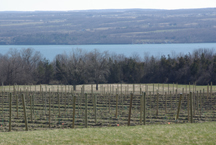
View of Cayuga Lake at Long Point Winery
Check out the recipe below for spaghetti and meatballs from Long Point Winery in the Finger Lakes region of New York. Some of my favorite ingredients are in it including wine and bacon. On cool or cold winter days, what’s better than using your culinary skills in the kitchen? Don’t just open a can of spaghetti sauce, create this yummy recipe from Long Point Winery. The recipe calls for two cups of a dry white wine.
Many thanks to the Cayuga Wine Trail for permission to publish this recipe.
Note: A few years ago we visited and wrote about Long Point Winery. The article with photos is online.
Enjoy!
Kathy
Spaghetti & Meatballs All “Americana
Ingredients
Meatballs
6 oz. bacon or pancetta (6slices) diced
2 large garlic cloves, peeled
2 pounds ground beef (15% fat)
2/3 cup chopped drained roasted red peppers from jar
2/3 cup breadcrumbs
2 large eggs
1/2 cup coarsely grated onion
1/2 freshly grated parmesan cheese
1 Tbsp minced fresh marjoram
2 tsp. dried crushed red pepper.
1/2 tsp. coarse kosher salt
1/2 tsp. freshly ground black pepper
1 Tsp minced fresh marjoram
Sauce
2 28 ounce cans diced tomatoes in juice
1 16oz can tomato puree if thicker sauce is desired
2 large garlic cloves, peeled
6 oz. bacon ( about 6 slices) or pancetta cut crosswise into thin strips
1 Tsp. extra virgin olive oil
3 cups finely chopped onions
1/2 tsp. dried crushed red pepper
2 cups dry white wine (LPW Chardonnay, Dry Riesling, Sauvignon black)
1 Tsp minced fresh marjoram
Pasta
1 1/2 pounds spaghetti
2 or 3 Tbsp. extra virgin olive oil
1 1/2 Tbsp. minced fresh marjoram
Freshly grated Parmesan cheese
Directions
For Meatballs
Place bacon in processor. Using the on/off turns, grind to coarse past. Transfer to large bowl. Using garlic press, squeeze in garlic. Gently mix in beef and all remaining ingredients. Let stand 15 minutes roll meatballs 1 1/2″ and place on ungreased cooking sheet. Bake at 350 degrees for 20 -30 mins. Do Ahead Can be make 1 day before. Cover with plastic wrap and chill.
For Sauce
Puree tomatoes with juice and garlic in batches in blender until smooth. Cook bacon in large pot over medium heat until crisp; transfer bacon (pancetta) to plate. Add 1 Tablespoon oil to drippings in pot and hear over medium hear. Increase heat to medium-high. Add onions and crushed red pepper to pot. Sauté’ until golden about 6 minutes. Add wine, boil until reduced by half stirring up browned bits, about 8 minutes. Add tomatoes puree and marjoram. Boil until sauce thickens slightly, stirring occasionally about 8 minute. Season with salt and pepper. Mix bacon into sauce. Add meatballs bring to simmer. Reduce heat to low, cover and simmer until meatballs are heated through and tender, 10 to 15 minutes.
For Pasta
Meanwhile, cook spaghetti in pot of boiling water until just tender but still firm to bite stirring occasionally. Drain, transfer to large bowl. Toss with 2 tbsp. boil and marjoram, adding more oil to moisten. If Divide spaghetti amount bowls. Top with meatballs and sauce. Sprinkle with cheese and serve, passing additional cheese separately.
Recipe provided by the Cayuga Wine Trail, Finger Lakes, New York.



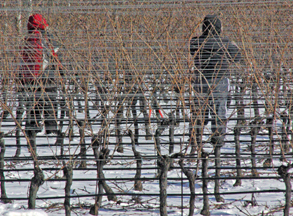
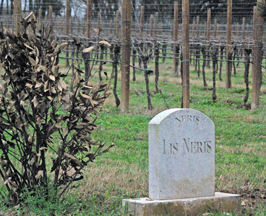

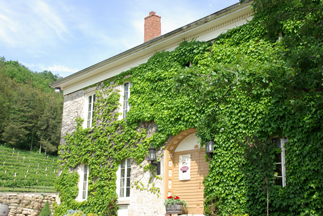
George Belden Crane, 1800s Wine Pioneer
Who’s Who in the Wine World: Dr. George Belden Crane: 1800s pioneer
#1 Dr. George Belden Crane
Some wine names are well-known among wine enthusiasts, for example Robert Mondavi. Decades earlier Dr. George Belden Crane was pioneering planting grapevines in Napa Valley. Dr. Crane noticed the similarity of conditions to other world wine regions. It is believed that Dr. Crane was the first in Napa Valley in the mid 1800s to plant European varieties in his pioneering efforts to produce great wine. Recently while reading a wine article, I came upon Dr. Crane’s name. A little research provided me with a wonderful account of his importance.
Dr. George Belden Crane Facts
Dr. Crane is considered a major founder of the Napa Valley wine industry
Eventually the heirs of Dr. Crane sold a portion of the property to the Silverstrin family. The Silverstrin website explains, “It all began when Italian immigrants John and Emma Salvestrin fell in love with St. Helena while visiting friends in the early 1920’s. In 1932 they purchased a portion of the historic Crane Ranch, including the Victorian home of Dr. Crane. With the repeal of prohibition in 1933, they started selling grapes and the industry began to grow again.”
According to the Beckstoffer Vineyards website, “Napa pioneer Dr. George Belden Crane originally planted Beckstoffer Dr. Crane Vineyard in 1858. During the 1920’s the Chinatown of the City of St. Helena was located on the site. Acquired by Beckstoffer Vineyards in 1997, the vineyard’s gravelly loam soils were replanted in 1998 to multiple clones of Cabernet Sauvignon, Petit Verdot and Cabernet Franc.”
Most sources claim the late 1850s as the original planting of the vineyard; another site notes that the Old Crane vineyard was planted in the 1880s. (Perhaps this 1880s date was a typo or the 1880s date was a replanting of vines.) The Historic Vineyard Society website states: “Planted in the 1880’s by Dr. George Belden Crane, these historic vines? roots are embedded in ground that was formed over centuries as soil and gravel washed down from the Mayacamas Mountains via Sulphur Creek to the western flank of St. Helena. Dr. Crane, realizing the similarity of conditions to other great wine regions, was the first in the valley in 1861 to plant European varieties in his pioneering efforts to produce great wine.”
Today much of the former Crane vineyards has been replaced by a local high school site. However grapes from the existing historic Crane site are also sold to other wineries including: Realm Cellars, Paul Hobbs Winery, B Cellars and Knights Bridge Winery & Vineyards.
If you have additional information about pioneer Dr. George Belden Crane, I’d like to hear from you.
Please check back and discover more people of the wine world.
Cheers!
Kathy